 JewishSong.org
How to Be Strong
Aloha pulls out her ukulele and softly begins to sing. One by one, nearby soldiers and survivors join in. The music becomes a moment of unity, resilience, and hope - a bridge between two worlds.
More than one hundred Jewish songs in English, Russian and Hebrew: beloved liturgy, Yiddish classics, holiday songs, original compositions and songs of remembrance. Search, filter, press play, and license the ones your project needs.
Aloha pulls out her ukulele and softly begins to sing. One by one, nearby soldiers and survivors join in. The music becomes a moment of unity, resilience, and hope - a bridge between two worlds.
 English
▶
English
▶
Jerusalem Blues is an original English lament by Walter J. Kin. The selected 2018 release credits RIGLI and Chris Hales as artists and Hales as producer. Its imprisoned speaker longs for Jerusalem; the words do not establish a specific prison location.
 English
▶
English
▶
A tender tribute to mothers, with original English lyrics set to a much loved Yiddish folk melody.
 English
▶
English
▶
An emotional wedding ballad with original English lyrics set to a beloved Yiddish melody, a warm toast to friendship, unity, and love.
 English
▶
English
▶
A bright klezmer-meets-Motown song for the festival of first fruits and the giving of the Torah.
 English
▶
English
▶
A brand new melody for the little spinning top. Full lyrics and free downloads for your choir.
 English
▶
English
▶
The candle-lighting classic in warm new English, with the full lyrics and the song's long history.
 English
▶
English
▶
An uplifting folk-blues anthem of resilience and hope, a complete English song built on a beloved traditional melody.
 English
▶
English
▶
A gentle little anthem of courage and kindness for the hard days. Easy for the youngest singers.
 English
▶
English
▶
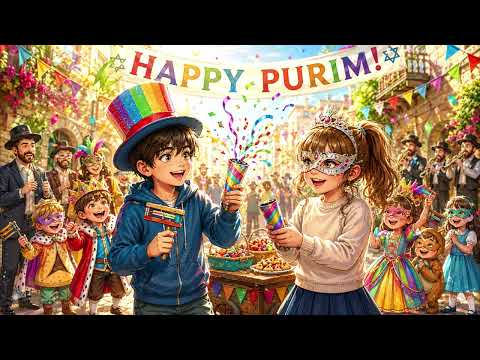
A bouncy klezmer-pop song for the happiest, noisiest holiday of the year. Costumes and groggers ready!
 English
▶
English
▶
Performed by students of Manhattan Music Arts School, the song takes on new emotional depth through warm klezmer tones, soft rhythms, and lyrics that are both funny and true.
 English
▶
English
▶
Lyrics - Walter J. Kin Music & Production - Walter J. Kin & RigliMusic Vocals - RigliMusic Style - joyful theatrical klezmer pop musical
 English
▶
English
▶
A joyful new Passover song for the seder table and the spring of freedom.
 English
▶
English
▶
An English version of the Yiddish anthem "Ale Brider," a song of kinship across all peoples.
 English
▶
English
▶
The beloved call-and-response Yiddish classic, now with English verses everyone can answer back.
 English
▶
English
▶
Lyrics - Walter J. Kin Music Arrangement & Production - Walter J. Kin Performer - Riglis Band Style - Modern pop with klezmer roots and trap energy
 English
▶
English
▶
Credits Performed by - Riglis Band Lyrics (English adaptation) - Walter J. Kin Music & arrangement - Walter J. Kin Original inspiration - Traditional Jewish song
 English
▶
English
▶
Moshe Nadir’s Yiddish comic song of 1927 receives an English retelling by Walter J. Kin. Riglis Band performs this version; the release credits its melody as traditional.
 English
▶
English
▶
A cinematic klezmer-blues ballad inspired by the old Yiddish folk song "Di Katerinke" ("The Hurdy-Gurdy"). A wandering street musician reflects on fortune, loss, memory, and the turning wheel of destiny. Combining klezmer, chanson, country-
 English
▶
English
▶
Lyrics - Walter J. Kin Music & Production - Walter J. Kin Vocals - Riglis Band
This song blends traditional Jewish melodies with modern folk-pop energy, featuring emotional male harmonies, clarinet, accordion, and layered rhythms. Inspired by Hatikvah and the longing for peace, the song becomes a symbolic anthem of re
In this explosive rehearsal scene, students at Manhattan Music Arts School are expected to perform a traditional Passover song for an upcoming school celebration. But instead, they break into The Matzah Hop - a bold mix of hip-hop, swing, a
 English
▶
English
▶
«Oy Pizza!» - это гимн современному Манхэттену, где вековые традиции встречаются с сумасшедшим ритмом большого города. Хрустящая нью-йоркская корочка, сочный пастрами, дерзкая селёдочка с солёными огурчиками и тот самый секретный соус «Хуцп
 English
▶
English
▶
Adon Olam is a Hebrew hymn whose author and precise date are uncertain. This version uses original music and an English adaptation by Walter J. Kin, performed by Riglis Band.
 English
▶
English
▶
RIGLI’s English album recording of Avinu Malkeinu. English words and music by Walter J. Kin.
 English
▶
English
▶
An English-language setting of the 16th-century Shabbat hymn "Lecha Dodi" by Rabbi Shlomo Halevi Alkabetz of Safed - with original music and English lyrics by Walter J. Kin (RIGLI), bringing one of Judaism's most beloved liturgical poems in
 English
▶
English
▶
Celebrate Passover with this joyful, sweet, and catchy little song! "Little Passover Song" is perfect for young children, introducing them to the holiday traditions in a playful, cheerful way. Sing along, dance, and enjoy the crunchy matzah
 English
▶
English
▶
Time to celebrate Passover with music, dancing, and plenty of crunchy matzah! "Passover Party" is a lively, cheerful folk-pop song perfect for children and families, bringing fun, smiles, and a joyful rhythm to your holiday gathering.
 English
▶
English
▶
[ENGLISH] A modern reimagining of the classic Yiddish ballad "Avreml der Marvicher" by the legendary poet Mordechai Gebirtig.
 English
▶
English
▶
Credits Lyrics (English) - Walter J. Kin (adaptation from lyrics in Russian by Olga Anikina) Music & Production - Walter J. Kin Vocals - Riglis Band Style - Klezmer pop ballad with Sephardic echoes, rooftop duet vibe
 English
▶
English
▶
The Sharpies vs. The System. A stomping anthem of teenage resistance.
 English
▶
English
▶
In this rehearsal scene, classmates pay tribute to Masha Green, a beloved peer known for her kindness, loyalty and quiet strength. The song is full of admiration and warmth, celebrating friendship, authenticity, and the courage to shine fro
 English
▶
English
▶
With its stirring baritone vocals, raw clarinet solos, and gritty folk energy, this song reflects generations of Jewish history - from ancient exile to modern aliyah - capturing the unbroken hope that carried a people across centuries.
 English
▶
English
▶
A joyful, playful song about being proud of who you are. Light, kind, and easy for a whole class to sing.
 English
▶
English
▶
A quiet, gritty folk-blues ballad, a prayer for better times carried by clarinet, guitar, and a simple promise of hope.
 English
▶
English
▶
Lyrics & Music - Walter J. Kin Style - Upbeat klezmer folk chanson duet with clarinet accordion trumpet and mixed choir
 Russian
▶
Russian
▶
Песня 7-40 новая версия - великое возвращение легенды
 Russian
▶
Russian
▶
The Russian lyrical version of our cinematic holiday anthem.
 Russian
▶
Russian
▶
A boy from the Vilna Ghetto who sells cigarettes to survive. He whistles and sings instead of crying. Music by Misha Veksler, Yiddish text by Leib Rosenthal - both perished in the camps. Russian text by Olga Anikina, 2017.
 Russian
▶
Russian
▶
«Хава нагила» - возможно, самая узнаваемая еврейская песня в мире. В русской версии поэта Ольги Аникиной она обрела новое дыхание. Камерное, глубокое и искреннее исполнение Элечки делает эту песню по-настоящему близкой слушателям по всему м
 Russian
▶
Russian
▶
[ENGLISH] The Russian language version of the ballad "Avremil". Based on the song by Mordechai Gebirtig. Russian lyrics by Olga Anikina. Music & Production by Walter J. Kin (RIGLI).
 Russian
▶
Russian
▶
 Russian
▶
Russian
▶
The national anthem of Israel - in Russian. A meditation on hope across centuries. Listeners across many nationalities have written letters about this recording.
 Russian
▶
Russian
▶
Бабушка - a Jewish song from the catalog of Walter J. Kin.
 Russian
▶
Russian
▶
The Yiddish nostalgia classic about a hometown left behind - given new Russian poetry. One of the most emotionally weighted songs in the catalog.
 Russian
▶
Russian
▶
Меланхоличный баритон на фоне акустической и электрической гитары, клезмерского кларнета, аккордеона и контрабаса. Структура основана на классической 12-тактовой форме американского блюза, но обогащена восточноевропейскими и сефардскими инт
 Russian
▶
Russian
▶
«Танго Атиква» - смелое переосмысление знаменитого гимна Израиля в стиле еврейского танго. В этой премьере традиционная надежда народа на свободу и возвращение домой звучит в новых красках: танцевально, страстно и очень ярко! Ритмы танго, к
 Russian
▶
Russian
▶
«В полумраке» - известная еврейская песня на стихи поэта Зише Ландау (1889-1937), представленная здесь в новой музыкальной версии Владимира Кина. Песня наполнена нежностью, теплом и особой атмосферой тихой романтики и воспоминаний. Современ
 Russian
▶
Russian
▶
Как родилась эта версия
 Russian
▶
Russian
▶
A tango from the Vilna Ghetto. Music by Avrom Brudno (perished in Klooga camp), Yiddish text by Shmerke Kaczerginski. A song of spring that won't come - for the wife who was led away «такой же весною». Used in Yad Vashem and US Holocaust Mu
 Russian
▶
Russian
▶
Вот балалайка такие дела - a Jewish song from the catalog of Walter J. Kin.
 Russian
▶
Russian
▶
 Russian
▶
Russian
▶
Песня о дружбе равенстве и теплоте сердец «Але Бридер» (в переводе - «Все мы братья») - одна из самых душевных и тёплых еврейских песен символ общечеловеческого единства. Эта песня звучит как приглашение к доверию и взаимопониманию. В новой
 Russian
▶
Russian
▶
О чём эта песня
 Russian
▶
Russian
▶
The Yiddish anthem Ale Brider with Russian lyrics: we are all sisters, we are all brothers.
 Russian
▶
Russian
▶
Что будет, если соединить священную надежду «Атиквы» с обжигающей страстью танго? Получится наша смелая премьера - «Танго Атиква»!
 Russian
▶
Russian
▶
«Горсточка счастья» - это душевная русская версия знаменитой еврейской песни на идише «А биселе мазл». Песня передаёт тихую, трогательную просьбу о малой доле удачи и счастья, способной согреть сердце даже в самые трудные времена. Простота
 Russian
▶
Russian
▶
«Да, конечно, дочка» - это тёплая и душевная песня о жизни, любви и материнской мудрости
 Russian
▶
Russian
▶
Музыка - Владимир Кин (Walter J. Kin) Текст - Ольга Аникина
 Russian
▶
Russian
▶
 Russian
▶
Russian
▶
The dreidl Hanukkah song in Elechka's voice, the classic version. A modern version (Riglis Band) plays on the same page.
 Russian
▶
Russian
▶
A song of children carried away - a piece of Holocaust memory carried forward in Russian. Required listening for museums and educators.
 Russian
▶
Russian
▶
Если был бы я портным - a Jewish song from the catalog of Walter J. Kin.
 Russian
▶
Russian
▶
Основано на идишской народной песне «Di Katerinke» (начало XX века)
 Russian
▶
Russian
▶
Как тяжёлый колос - a Jewish song from the catalog of Walter J. Kin.
 Russian
▶
Russian
▶
О чём эта песня
 Russian
▶
Russian
▶
A mother sings her son to sleep - «за рекою гром грохочет, а у нас в округе тишь да гладь». Original Russian poem by Olga Anikina (2017), inspired by Rikl Glezer's «S'iz geven a zumertog» from the Vilna Ghetto (1941). The melody - the same
 Russian
▶
Russian
▶
Оригинал: Хаим Нахман Бялик (иврит, 1908) Проект: «Еврейские песни. По-русски» (инициатор - Владимир Кин)
 Russian
▶
Russian
▶
Вдохновлено классической песней «Mamale» (идиш, 1920-е) Проект: Еврейские песни. По-русски | HavaNagila.org
 Russian
▶
Russian
▶
Стиль: клезмер вальс, свинг, латинский грув, женские хоры и трубные фанфары
 Russian
▶
Russian
▶
A playful klezmer song about empty pockets and a rich heart.
 Russian
▶
Russian
▶
О чём эта песня
 Russian
▶
Russian
▶
«Один Ё» - современная русская исповедь на основе сефардского романса Adio Kerida. Камерное звучание «голос + гитара» подчёркивает бархатный тембр Элечки и превращает песню в откровенный монолог об одиночестве, надежде и разговоре с Богом.
 Russian
▶
Russian
▶
Рабейну Там - a Jewish song from the catalog of Walter J. Kin.
 Russian
▶
Russian
▶
Песня «Ребе Элимелех» - это весёлая, театральная музыкальная история на русском языке, вдохновлённая классической еврейской мелодией и традицией клезмера. В этой версии Riglis Band с юмором и душой рассказывает, как харизматичный Элимелех с
 Russian
▶
Russian
▶
С днём рожденья - a Jewish song from the catalog of Walter J. Kin.
 Russian
▶
Russian
▶
Саша Пушкин - a Jewish song from the catalog of Walter J. Kin.
 Russian
▶
Russian
▶
Стиль: D minor - еврейский траурный шансон, камерный, тихий, прощальный
 Russian
▶
Russian
▶
The joyful "we bring peace to you" sing-along that fills any room. Clap, dance, and join in.
 Russian
▶
Russian
▶
История песни и её уникальность:
 Russian
▶
Russian
▶
Польский текст Niewolnicze tango неизвестного автора сохранился в идишской версии П. М. и Шмерке Качергинского. Здесь Элечка исполняет русскую поэтическую адаптацию Ольги Аникиной. Мелодия восходит к довоенному польскому танго; точное авторство исходной мелодии не установлено.
 Russian
▶
Russian
▶
The Yiddish folk song that crossed every border. A young man asks his beloved riddles - and the answers shape his understanding of love.
 Russian
▶
Russian
▶
Тумбалалайка (вариант) - a Jewish song from the catalog of Walter J. Kin.
 Russian
▶
Russian
▶
Перевод с идиша: поэт Ольга Аникина Проект: «Еврейские песни. По-русски» (инициатор - Владимир Кин)
 Russian
▶
Russian
▶
Современное музыкальное прочтение памяти о детстве Эта версия песни «Бельц» - не просто ностальгия, а целый мир новых звучаний, стилей и эмоций. Авторская аранжировка соединяет еврейский клезмер, камерный городской романс, hip-hop, морна и
 Russian
▶
Russian
▶
Мы рады представить новую русскую версию легендарной песни «Хава нагила» - гимна радости и единства! На этот раз она звучит на свадьбе, где слёзы невесты превращаются в счастливые улыбки и общий танец.
 Russian
▶
Russian
▶
Дружба, поддержка и свет надежды: компания молодых друзей приходит на помощь подруге, которая переживает тяжёлый период. Сквозь слёзы появляется улыбка, и музыка становится мостом к радости и вдохновению.
 Russian
▶
Russian
▶
Автор оригинала: Мордхе Ривесман (идиш, 1912) Проект: «Еврейские песни. По-русски» (инициатор - Владимир Кин)
 Russian
▶
Russian
▶
The bouncy Yiddish dance tune known across continents. The chorus everyone joins in on - even those who weren't born into Yiddish.
 Russian
▶
Russian
▶
The joyful Chiribim Chiribom nigun in Elechka's voice, the classic version. A modern version (Riglis Band) plays on the same page.
 Russian
▶
Russian
▶
Основано на идишской народной песне «Di Katerinke» (начало XX века) Проект: «Еврейские песни. По-русски»
 Russian
▶
Russian
▶
Я так тебя люблю (фламенко) - a Jewish song from the catalog of Walter J. Kin.
 Hebrew
▶
Hebrew
▶
Theme, holiday and mood labels are auto-generated and refined over time. Every song is published by Rigli Publishing (Walter J. Kin); licensing is handled by RGL License LLC.
No price lists and no checkout. Tell us about your project and RGL License LLC will reply with a simple, respectful path to license the music.
Riglis Band
No songs found. Try another title or clear the filters.
More than one hundred Jewish songs in English, Russian and Hebrew: beloved liturgy, Yiddish classics, holiday songs, original compositions and songs of remembrance. Search, filter, press play, and license the ones your project needs.
Aloha pulls out her ukulele and softly begins to sing. One by one, nearby soldiers and survivors join in. The music becomes a moment of unity, resilience, and hope - a bridge between two worlds.
Jerusalem Blues is an original English lament by Walter J. Kin. The selected 2018 release credits RIGLI and Chris Hales as artists and Hales as producer. Its imprisoned speaker longs for Jerusalem; the words do not establish a specific prison location.
An emotional wedding ballad with original English lyrics set to a beloved Yiddish melody, a warm toast to friendship, unity, and love.
A bright klezmer-meets-Motown song for the festival of first fruits and the giving of the Torah.
A brand new melody for the little spinning top. Full lyrics and free downloads for your choir.
The candle-lighting classic in warm new English, with the full lyrics and the song's long history.
An uplifting folk-blues anthem of resilience and hope, a complete English song built on a beloved traditional melody.
A gentle little anthem of courage and kindness for the hard days. Easy for the youngest singers.
Performed by students of Manhattan Music Arts School, the song takes on new emotional depth through warm klezmer tones, soft rhythms, and lyrics that are both funny and true.
Lyrics - Walter J. Kin Music & Production - Walter J. Kin & RigliMusic Vocals - RigliMusic Style - joyful theatrical klezmer pop musical
A joyful new Passover song for the seder table and the spring of freedom.
An English version of the Yiddish anthem "Ale Brider," a song of kinship across all peoples.
The beloved call-and-response Yiddish classic, now with English verses everyone can answer back.
Lyrics - Walter J. Kin Music Arrangement & Production - Walter J. Kin Performer - Riglis Band Style - Modern pop with klezmer roots and trap energy
Credits Performed by - Riglis Band Lyrics (English adaptation) - Walter J. Kin Music & arrangement - Walter J. Kin Original inspiration - Traditional Jewish song
A cinematic klezmer-blues ballad inspired by the old Yiddish folk song "Di Katerinke" ("The Hurdy-Gurdy"). A wandering street musician reflects on fortune, loss, memory, and the turning wheel of destiny. Combining klezmer, chanson, country-
Lyrics - Walter J. Kin Music & Production - Walter J. Kin Vocals - Riglis Band
This song blends traditional Jewish melodies with modern folk-pop energy, featuring emotional male harmonies, clarinet, accordion, and layered rhythms. Inspired by Hatikvah and the longing for peace, the song becomes a symbolic anthem of re
In this explosive rehearsal scene, students at Manhattan Music Arts School are expected to perform a traditional Passover song for an upcoming school celebration. But instead, they break into The Matzah Hop - a bold mix of hip-hop, swing, a
Adon Olam is a Hebrew hymn whose author and precise date are uncertain. This version uses original music and an English adaptation by Walter J. Kin, performed by Riglis Band.
RIGLI’s English album recording of Avinu Malkeinu. English words and music by Walter J. Kin.
An English-language setting of the 16th-century Shabbat hymn "Lecha Dodi" by Rabbi Shlomo Halevi Alkabetz of Safed - with original music and English lyrics by Walter J. Kin (RIGLI), bringing one of Judaism's most beloved liturgical poems in
Celebrate Passover with this joyful, sweet, and catchy little song! "Little Passover Song" is perfect for young children, introducing them to the holiday traditions in a playful, cheerful way. Sing along, dance, and enjoy the crunchy matzah
Time to celebrate Passover with music, dancing, and plenty of crunchy matzah! "Passover Party" is a lively, cheerful folk-pop song perfect for children and families, bringing fun, smiles, and a joyful rhythm to your holiday gathering.
[ENGLISH] A modern reimagining of the classic Yiddish ballad "Avreml der Marvicher" by the legendary poet Mordechai Gebirtig.
Credits Lyrics (English) - Walter J. Kin (adaptation from lyrics in Russian by Olga Anikina) Music & Production - Walter J. Kin Vocals - Riglis Band Style - Klezmer pop ballad with Sephardic echoes, rooftop duet vibe
The Sharpies vs. The System. A stomping anthem of teenage resistance.
With its stirring baritone vocals, raw clarinet solos, and gritty folk energy, this song reflects generations of Jewish history - from ancient exile to modern aliyah - capturing the unbroken hope that carried a people across centuries.
A joyful, playful song about being proud of who you are. Light, kind, and easy for a whole class to sing.
Lyrics & Music - Walter J. Kin Style - Upbeat klezmer folk chanson duet with clarinet accordion trumpet and mixed choir
Песня 7-40 новая версия - великое возвращение легенды
The Russian lyrical version of our cinematic holiday anthem.
A boy from the Vilna Ghetto who sells cigarettes to survive. He whistles and sings instead of crying. Music by Misha Veksler, Yiddish text by Leib Rosenthal - both perished in the camps. Russian text by Olga Anikina, 2017.
«Хава нагила» - возможно, самая узнаваемая еврейская песня в мире. В русской версии поэта Ольги Аникиной она обрела новое дыхание. Камерное, глубокое и искреннее исполнение Элечки делает эту песню по-настоящему близкой слушателям по всему м
[ENGLISH] The Russian language version of the ballad "Avremil". Based on the song by Mordechai Gebirtig. Russian lyrics by Olga Anikina. Music & Production by Walter J. Kin (RIGLI).
The national anthem of Israel - in Russian. A meditation on hope across centuries. Listeners across many nationalities have written letters about this recording.
Бабушка - a Jewish song from the catalog of Walter J. Kin.
The Yiddish nostalgia classic about a hometown left behind - given new Russian poetry. One of the most emotionally weighted songs in the catalog.
«Танго Атиква» - смелое переосмысление знаменитого гимна Израиля в стиле еврейского танго. В этой премьере традиционная надежда народа на свободу и возвращение домой звучит в новых красках: танцевально, страстно и очень ярко! Ритмы танго, к
«В полумраке» - известная еврейская песня на стихи поэта Зише Ландау (1889-1937), представленная здесь в новой музыкальной версии Владимира Кина. Песня наполнена нежностью, теплом и особой атмосферой тихой романтики и воспоминаний. Современ
Как родилась эта версия
A tango from the Vilna Ghetto. Music by Avrom Brudno (perished in Klooga camp), Yiddish text by Shmerke Kaczerginski. A song of spring that won't come - for the wife who was led away «такой же весною». Used in Yad Vashem and US Holocaust Mu
Вот балалайка такие дела - a Jewish song from the catalog of Walter J. Kin.
О чём эта песня
Песня о дружбе равенстве и теплоте сердец «Але Бридер» (в переводе - «Все мы братья») - одна из самых душевных и тёплых еврейских песен символ общечеловеческого единства. Эта песня звучит как приглашение к доверию и взаимопониманию. В новой
О чём эта песня
Что будет, если соединить священную надежду «Атиквы» с обжигающей страстью танго? Получится наша смелая премьера - «Танго Атиква»!
«Горсточка счастья» - это душевная русская версия знаменитой еврейской песни на идише «А биселе мазл». Песня передаёт тихую, трогательную просьбу о малой доле удачи и счастья, способной согреть сердце даже в самые трудные времена. Простота
«Да, конечно, дочка» - это тёплая и душевная песня о жизни, любви и материнской мудрости
Музыка - Владимир Кин (Walter J. Kin) Текст - Ольга Аникина
The dreidl Hanukkah song in Elechka's voice, the classic version. A modern version (Riglis Band) plays on the same page.
Если был бы я портным - a Jewish song from the catalog of Walter J. Kin.
Основано на идишской народной песне «Di Katerinke» (начало XX века)
Как тяжёлый колос - a Jewish song from the catalog of Walter J. Kin.
A mother sings her son to sleep - «за рекою гром грохочет, а у нас в округе тишь да гладь». Original Russian poem by Olga Anikina (2017), inspired by Rikl Glezer's «S'iz geven a zumertog» from the Vilna Ghetto (1941). The melody - the same
Вдохновлено классической песней «Mamale» (идиш, 1920-е) Проект: Еврейские песни. По-русски | HavaNagila.org
Стиль: клезмер вальс, свинг, латинский грув, женские хоры и трубные фанфары
О чём эта песня
«Один Ё» - современная русская исповедь на основе сефардского романса Adio Kerida. Камерное звучание «голос + гитара» подчёркивает бархатный тембр Элечки и превращает песню в откровенный монолог об одиночестве, надежде и разговоре с Богом.
Рабейну Там - a Jewish song from the catalog of Walter J. Kin.
Песня «Ребе Элимелех» - это весёлая, театральная музыкальная история на русском языке, вдохновлённая классической еврейской мелодией и традицией клезмера. В этой версии Riglis Band с юмором и душой рассказывает, как харизматичный Элимелех с
С днём рожденья - a Jewish song from the catalog of Walter J. Kin.
Саша Пушкин - a Jewish song from the catalog of Walter J. Kin.
Стиль: D minor - еврейский траурный шансон, камерный, тихий, прощальный
История песни и её уникальность:
Польский текст Niewolnicze tango неизвестного автора сохранился в идишской версии П. М. и Шмерке Качергинского. Здесь Элечка исполняет русскую поэтическую адаптацию Ольги Аникиной. Мелодия восходит к довоенному польскому танго; точное авторство исходной мелодии не установлено.
The Yiddish folk song that crossed every border. A young man asks his beloved riddles - and the answers shape his understanding of love.
Тумбалалайка (вариант) - a Jewish song from the catalog of Walter J. Kin.
Перевод с идиша: поэт Ольга Аникина Проект: «Еврейские песни. По-русски» (инициатор - Владимир Кин)
Современное музыкальное прочтение памяти о детстве Эта версия песни «Бельц» - не просто ностальгия, а целый мир новых звучаний, стилей и эмоций. Авторская аранжировка соединяет еврейский клезмер, камерный городской романс, hip-hop, морна и
Мы рады представить новую русскую версию легендарной песни «Хава нагила» - гимна радости и единства! На этот раз она звучит на свадьбе, где слёзы невесты превращаются в счастливые улыбки и общий танец.
Дружба, поддержка и свет надежды: компания молодых друзей приходит на помощь подруге, которая переживает тяжёлый период. Сквозь слёзы появляется улыбка, и музыка становится мостом к радости и вдохновению.
Автор оригинала: Мордхе Ривесман (идиш, 1912) Проект: «Еврейские песни. По-русски» (инициатор - Владимир Кин)
The bouncy Yiddish dance tune known across continents. The chorus everyone joins in on - even those who weren't born into Yiddish.
The joyful Chiribim Chiribom nigun in Elechka's voice, the classic version. A modern version (Riglis Band) plays on the same page.
Основано на идишской народной песне «Di Katerinke» (начало XX века) Проект: «Еврейские песни. По-русски»
Я так тебя люблю (фламенко) - a Jewish song from the catalog of Walter J. Kin.
Credits Lyrics (Hebrew): Walter J. Kin
Theme, holiday and mood labels are auto-generated and refined over time. Every song is published by Rigli Publishing (Walter J. Kin); licensing is handled by RGL License LLC.
No price lists and no checkout. Tell us about your project and RGL License LLC will reply with a simple, respectful path to license the music.